MASTERS OF TRADITION
Project Rationale
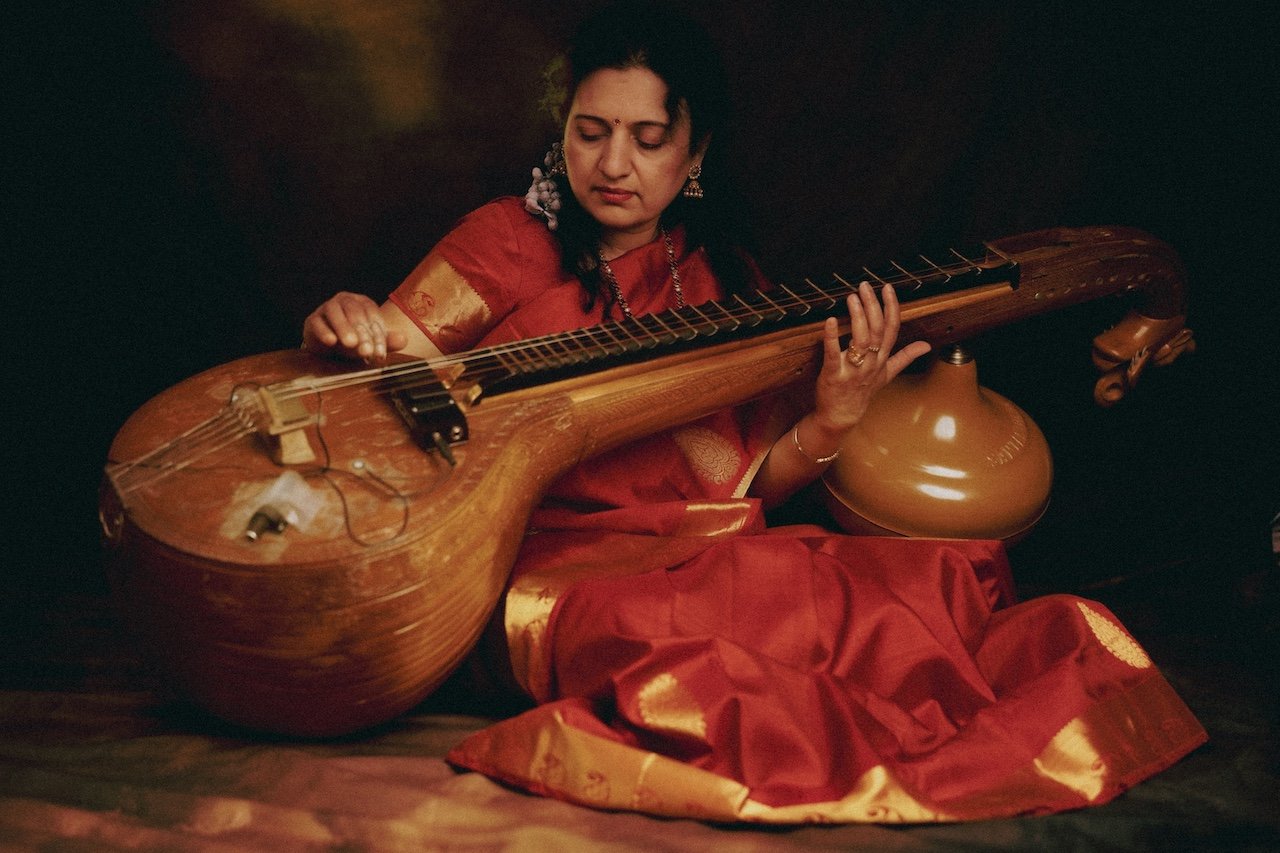
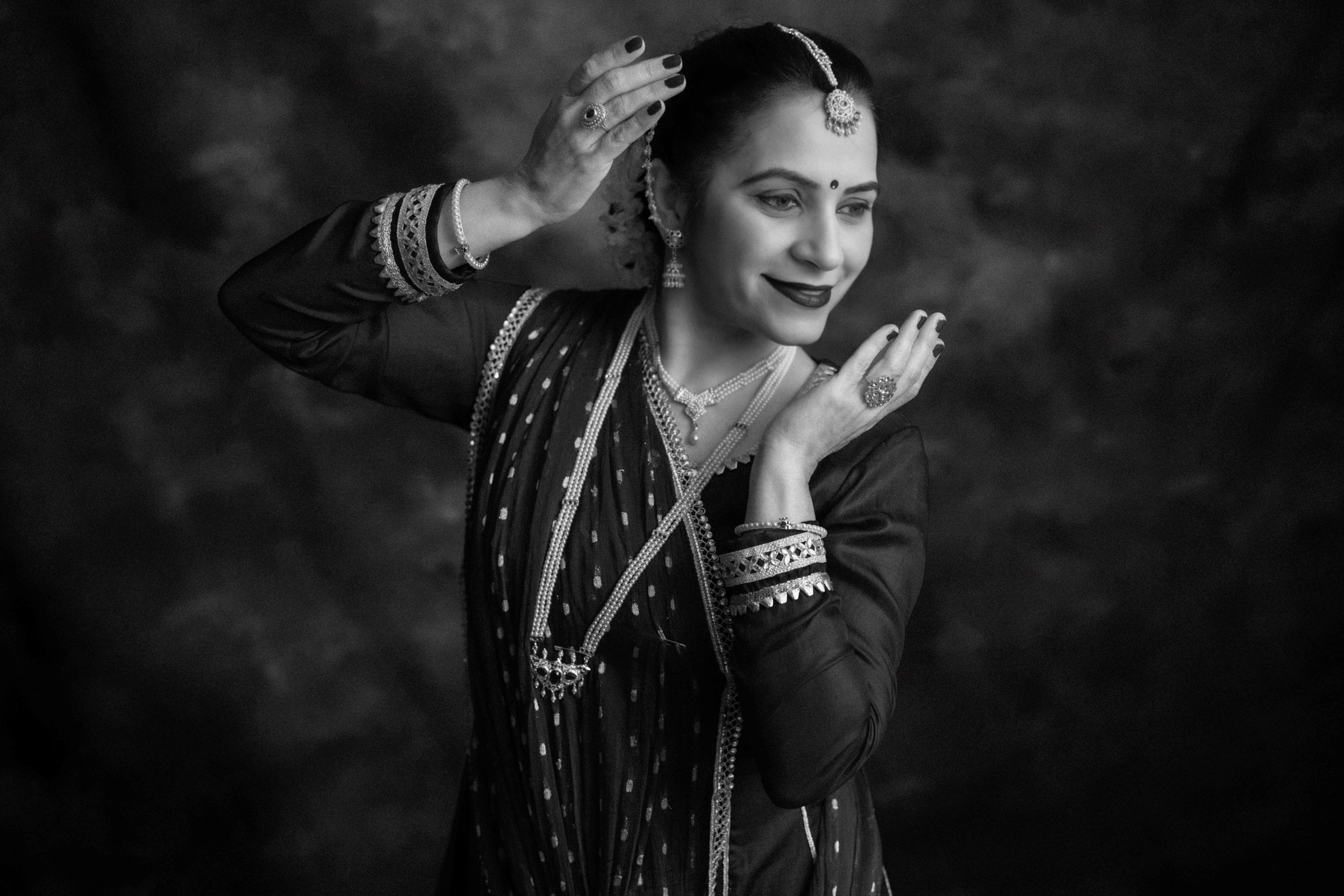
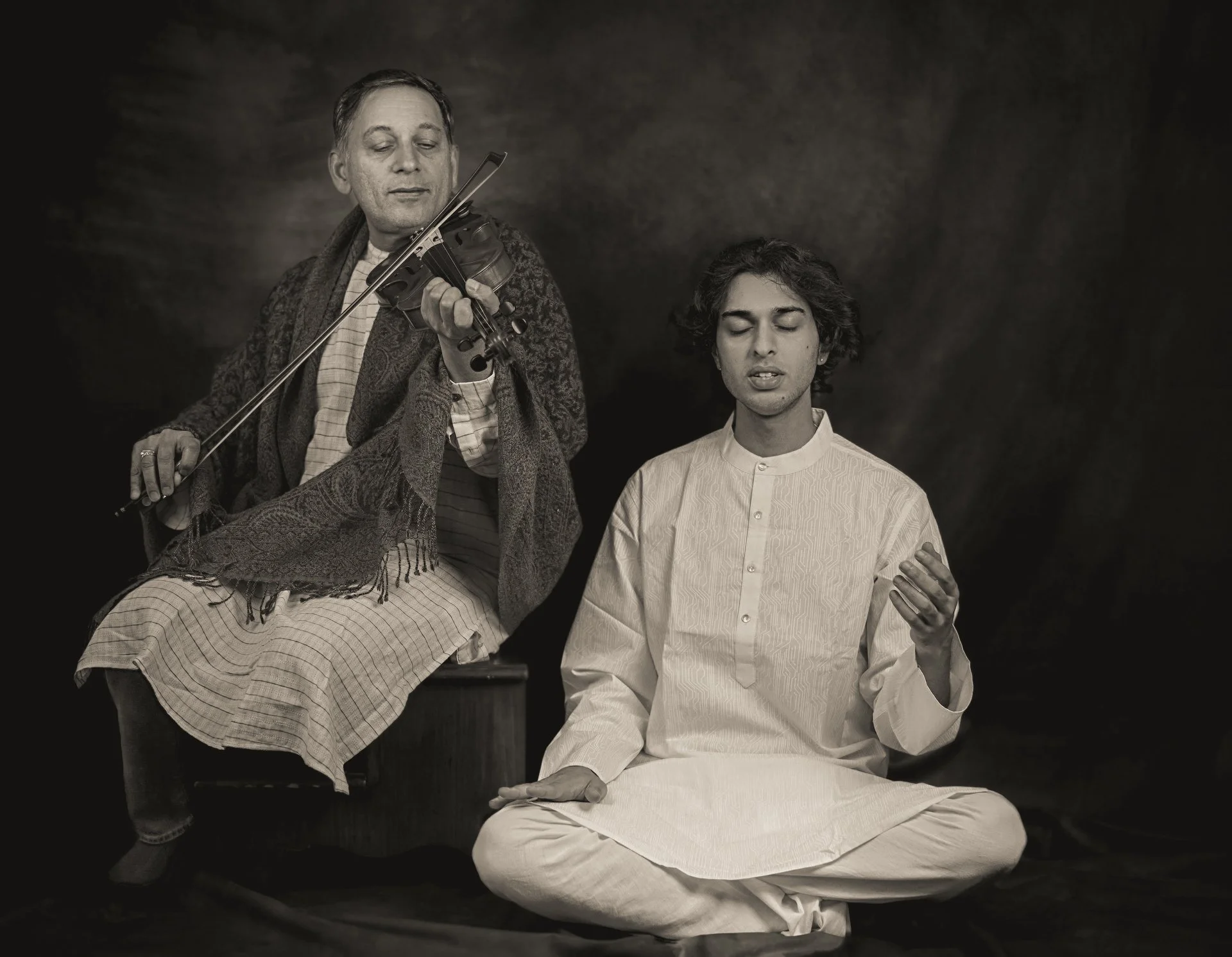
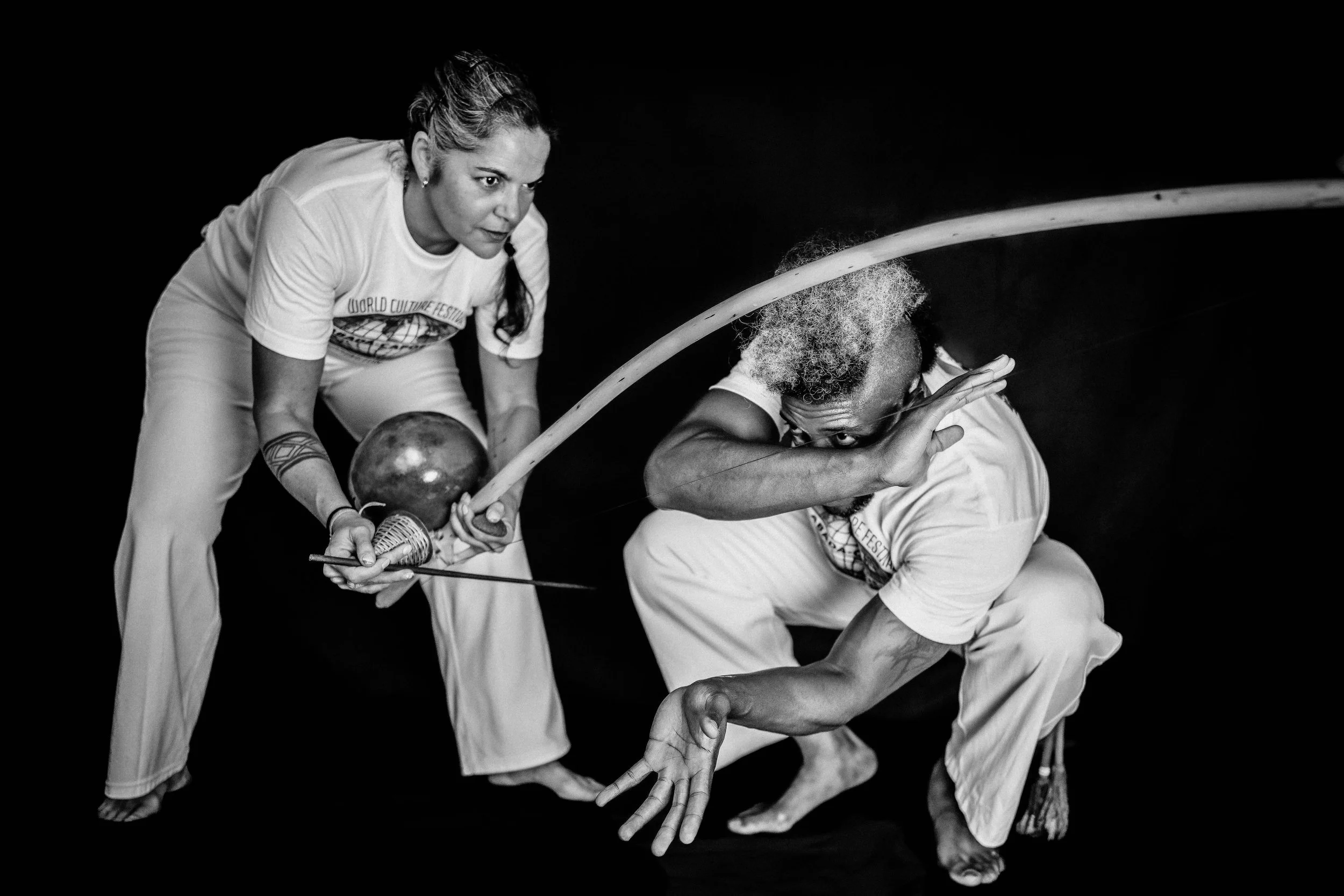
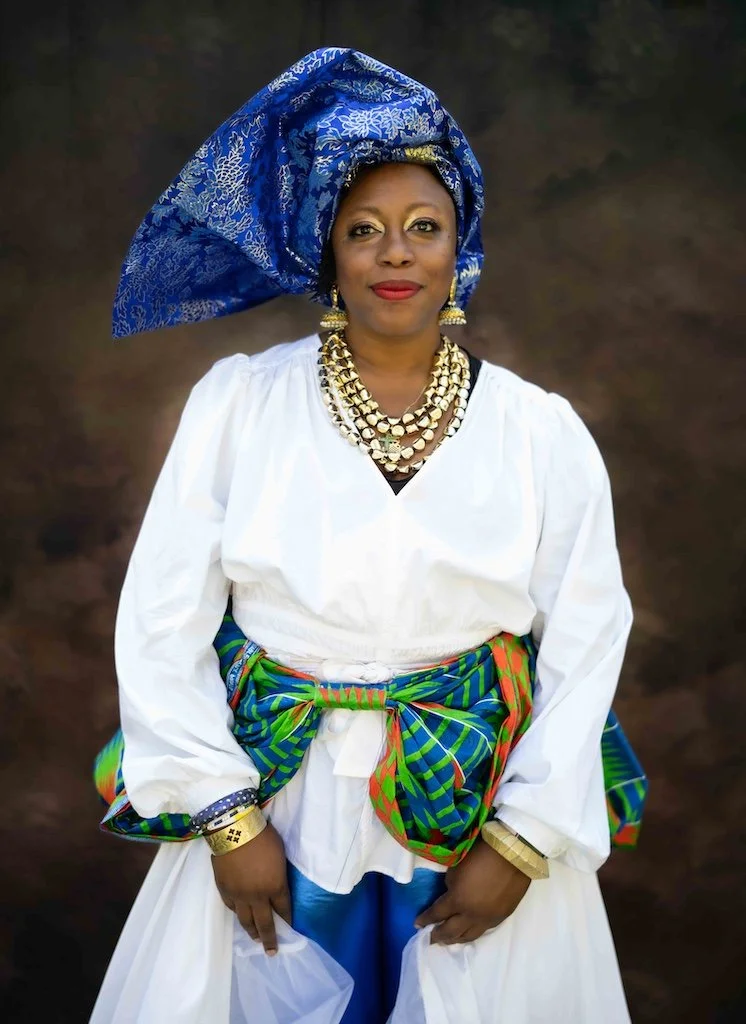
This proposal seeks support for Masters of Tradition, a long-term photographic and cinematic investigation into master lineage bearers living in the United States—individuals who carry centuries, and in some cases millennia, of embodied cultural knowledge through music and dance. While migration is often examined through political or economic frameworks, this project approaches it as a cultural process: the transmission of memory, lineage, spirituality, and ancestral knowledge across borders.
Cultural and Historical Context
The immigrant population in the United States is remarkably diverse, with people born in more than 200 countries and territories represented among U.S. immigrants. Among them are master artists—virtuosos and cultural custodians whose practices trace unbroken lineages ranging from hundreds to over 5,000 years. These individuals function as living archives of intangible heritage, preserving oral histories, movement vocabularies, musical systems, philosophies, and belief structures that cannot be sustained through text alone.
Sociologically, they serve as cultural anchors within diasporic communities, maintaining identity across generations. Anthropologically, their practices represent living systems of knowledge transmission rooted in apprenticeship, ritual, and devotion. Historically, many of these traditions have survived colonization, enslavement, religious persecution, and forced displacement, yet today face erosion through assimilation, cultural homogenization, and intergenerational disconnect.
Despite their significance, many of these masters remain largely visible only within their own communities. They teach across Los Angeles, New York, Seattle, Chicago, Houston, and beyond—often in homes, temples, community centers, and studios. They are simultaneously ordinary participants in American life and extraordinary bearers of cultural lineage, challenging narrow definitions of American cultural identity.
Contemporary Relevance
We are living through an era marked by rapid globalization and cultural abstraction, in which knowledge is increasingly detached from the body, place, and lived experience. Lineage-based traditions of music and dance operate in direct contrast to this trend. They function as complete systems of knowledge, encoding history, ethics, cosmology, and social structure through rhythm, movement, and sound. These practices are not decorative; they are pedagogical and communal, refined over centuries to transmit ways of being in the world.
Within diasporic contexts, these traditions provide continuity where displacement has fractured historical narratives. They offer younger generations embodied frameworks for identity and responsibility, while modeling forms of discipline, intergenerational transmission, and collective authorship that challenge dominant notions of individualism and cultural ownership.
In a pluralistic society like the United States, master practitioners actively shape contemporary culture. Their work introduces alternative epistemologies and relationships to the body that expand the cultural commons and complicate singular narratives of American identity. Documenting these traditions is not an act of preservation alone, but a recognition of their ongoing relevance and their capacity to inform how a diverse society understands continuity, responsibility, and shared cultural inheritance.
Artist Background
As a cultural conservation photographer and filmmaker, my practice centers on long-term collaboration with Indigenous communities, First Nations peoples, and lineage-based cultural practitioners. I approach this work through sustained relationship-building, prioritizing trust, ethical engagement, and cultural sensitivity. This background enables me to work responsibly with master practitioners whose traditions are deeply spiritual, embodied, and often sacred, ensuring that their representation honors both the individual and the lineage they carry.
Institutional Support and Project Development
Institutional backing allows for extended travel, sustained access to communities, and the production of a cohesive body of work that includes fine-art portraits, environmental imagery, and a poetic short documentary film. Equally important, alignment with an institution committed to storytelling, education, and cultural preservation ensures that the project reaches public, academic, and cultural audiences through exhibitions, publications, and educational programming.
Research Aims
The aim of Masters of Tradition is to create a visual map of living cultural lineages across the United States—an artistic and historical document that situates ancient traditions within contemporary American life. Through photography and film, the project seeks to preserve age-old practices, challenge dominant narratives of migration, and contribute to a broader understanding of American cultural identity as plural, layered, and deeply interconnected.
Masters of Tradition ultimately affirms cultural continuity and resilience, emphasizing that tradition is not static or historical alone, but a living force carried by individuals in the present.



EXHIBITIONS & TALKS
SELECTED GROUP EXHIBITIONS
2026 — Beyond Borders — Cur. Bisa Bennett — European Museum of Modern Art (MEAM), Barcelona, Spain
2026 — Interconnecting Lines — Cur. Bisa Bennett — New York, USA
2026 — Atlas of Humanity — Cur. Martin Vega — Galerie Joseph le Palais, Paris, France
2026 — Atlas of Humanity — Cur. Martin Vega — One Art Space, New York, USA
2025 — International Photo Awards (IPA) Winners (Juried) — House of Lucie (Projection), Athens, Greece
2025 — Things We Carry: A Contemporary Asian Experience — Cur. Andrea Marshall — Studio Montclair, New Jersey, USA
2025 — Coastal Reflections (Juried) — Malibu City Gallery, Malibu, USA
2023 — 2022: A Year of Duality — Jur. ASMP — Photo Impact Gallery, West Hollywood, USA
2023 — APA Chicago: Artist’s Perspective — Jur. Natasha Egan — Fulton Street Collective, Chicago, USA
2023 — Bold Beauty Project — Jur. Nancy Kaye — The Art Room, Los Angeles, USA
2022 — Aging as Art — Council on Aging — Bowers Museum, Santa Ana, USA
2022 — KAPWA: A Communal Spirit — Cur. Hon Huang — Avenue 50 Studio, Los Angeles, USA
2022 — A World From Home II (Virtual) — Cur. Nancy Kaye — American Society of Media Photographers
2021 — Untitled Group Exhibition — Cur. Kate Kincaid — Topanga Canyon Gallery, Topanga, USA
2021 — Aging as Art — Council on Aging — Newport Beach Central Library, Santa Ana, USA
2021 — Aging as Art — Council on Aging — Bowers Museum, Santa Ana, USA
2021 — Untitled Group Exhibition — Cur. Alison Zavos — Foley Gallery, New York, USA
2021 — Poetry of the Earth — Cur. Deja Cross — Rishikesh International Film Festival, Rishikesh, India
2021 — Aging as Art — Council on Aging — Vi Smith Concourse Gallery, Orange County, USA
2020 — Untitled Group Exhibition — Cur. Alison Zavos — Blank Wall Gallery, Athens, Greece
2020 — Aging as Art — Council on Aging — Newport Beach Central Library, Santa Ana, USA
2020 — Topanga Artists Studio Tour — Topanga Artists Studio Tour, Topanga, USA
2020 — Aging as Art — Council on Aging — Bowers Museum, Santa Ana, USA
2020 — A World From Home (Online) — Cur. Nancy Kaye — American Society of Media Photographers
2020 — Sacred Landscapes — Rishikesh International Film Festival, Tapovan, India
2018 — Animal Advocacy Through Art — Cur. N. Ford — Lois Lambert Gallery, Los Angeles, USA
2018 — Non-Duality Among the Indigenous — Inv. Freda Sideroff — Electric Lodge Art Gallery, Los Angeles, USA
2018 — Kapwa: A Communal Spirit — Cur. Hon Huang — Nous Tous Art Gallery, Los Angeles, USA
2017 — School’s Out Forever — Cur. Jalal Poehman — Legato Art Gallery, Los Angeles, USA
2017 — Evoking the Unseen — Cur. Jeffrey Ainis — Venice Love Shack, Los Angeles, USA
2017 — Beatles and the Indian Influence — Cur. Phil Goldberg — Santa Monica Assembly Hall, Los Angeles, USA
2017 — Advaita or Non-Duality — Cur. Deja Cross — Shangri-La, Topanga Canyon, USA
2017 — Advaita or Non-Duality — Cur. Tribhuvan Chauhan — Uttra Art Gallery, Rishikesh, India
SOLO EXHIBITIONS
2022 — Boutique Lifestyle Leaders Conference — Inv. Ariela Goharik Kiradjian — Westlake Village Inn, Westlake, USA
2022 — Topanga Film Festival (Featured Artist) — Cur. Urs Baur — Topanga Film Festival, Topanga, USA
2022 — Revel Silk: Indigenous Women — Cur. Monica Dogra — Houndstooth Studio, Los Angeles, USA
2022 — Indigenous Wisdom — Cur. Freda Sideroff — Electric Lodge Art Gallery, Venice, USA
2021 — A Taste of India (Garden Event) — Cur. Nicole Muyingo — MUY House, Culver City, USA
2020 — A Taste of the World — Inv. Graham Brooks — Froggies, Topanga, USA
2019 — Remote Cultures, Ancient Wisdom & Advaita — Inv. Jim Burklo — University of Southern California, Los Angeles, USA
2019 — Indigenous Peoples of the World — Inv. Prof. Mugdha Yeolekar — California State University, Fullerton, USA
2019 — Namaste India — Inv. Prof. Mugdha Yeolekar — Short Avenue Elementary School, Los Angeles, USA
2019 — Advaita or Non-Duality — Inv. Deja Cross — Rishikesh International Film Festival, Tapovan, India
2017 — Advaita or Non-Duality — Maharishi “Beatles” Ashram, Rishikesh, India
SELECTED TALKS, LECTURES, and PANELS
2026 — Travel Now: Making the World a Better Place — Challenges & Potentials (Panel Speaker) — Book Passage Travel Writers & Photographers Conference, Corte Madera, USA
2026 — The Art of Storytelling in Pictures (Keynote Presentation) — Book Passage Travel Writers & Photographers Conference, Corte Madera, USA
2026 — Travel Photography Workshop (Faculty Speaker) — Book Passage Travel Writers & Photographers Conference, Corte Madera, USA
2026 — From Substacks to Sponsorships: Community-Building & Money-Making in 2026 (Panel Speaker) — Book Passage Travel Writers & Photographers Conference, Corte Madera, USA
2025 — Photo Talk — Galerie 24b, Paris, France
2025 — Photo Talk — House of Lucie, Athens, Greece
2024 — Sacred Art of Storytelling (Panel Host) — World Culture Film Festival, Los Angeles, USA
2024 — Environment in Film (Panel Host) — World Culture Film Festival, Los Angeles, USA
2024 — Leveraging Film Festivals (Panelist) — World Culture Film Festival, Los Angeles, USA
2023 — Film as a Tool for Decolonization (Panelist) — Garifuna Indigenous International Film Festival, Los Angeles, USA
2023 — Post-Colonial Philanthropy (Panel Host) — Topanga Film Festival, Topanga, USA
2023 — BRIDGE Program (Assistant Facilitator) — American Society of Media Photographers & BKC, Los Angeles, USA
2023 — Creativity & Consciousness (Panelist) — Independent Program, Los Angeles, USA
2022 — The Indigenous Story (Panel Host) — Topanga Film Festival, Topanga, USA
2022 — Remote Cultures and Ancient Wisdom (Lecture) — Big Bear Yoga Festival, Big Bear, USA
2022 — A Whole New World (Lecture) — Culture Journeys Kids Summer Camp, Hermosa Beach, USA
2022 — Learning from Ancient Cultures (Lecture) — Garifuna Indigenous International Film Festival, Los Angeles, USA
2021 — The Meditative Eye (Panel) — Rishikesh Film Festival, Rishikesh, India
2021 — Shakti (Moderator) — Rishikesh Film Festival, Rishikesh, India
2021 — Remote Cultures, Ancient Wisdom & Non-Duality (Lecture) — Yangchenma Arts & Music, Topanga, USA
2021 — Photographing Remote Cultures (Lecture) — Learning Bird, Canada
2020 — Sociology of Globalization (Lecture) — Symbiosis School of Photography, Pune, India
2020 — Tales of the Desert Gypsies (Lecture) — Yangchenma Music & Arts, Topanga, USA
2019 — Individualism, Collectivism & Non-Duality (Lecture) — Pacific Asia Museum, Pasadena, USA
2019 — Remote Cultures, Ancient Wisdom & Advaita (Lecture) — University of Southern California, Los Angeles, USA
2019 — Infinite in its Silence (Panel) — California State University, Fullerton, USA
2019 — Journey Through India (Workshop) — Short Avenue Elementary School, Los Angeles, USA
2018 — Empowered Indigenous Filmmaker Masterclass — TELUS Storyhive & VoVo Productions, Canada
2017 — Storytelling, Filmmaking & Consciousness (Lecture) — Maharishi Mahesh Yogi “Beatles” Ashram, Rishikesh, India
MEDIA & PUBLICATIONS
BOOKS
2026 — Becoming Still: A Tale of Wild Places and Inner Reckoning (January 2026)
ARTICLES
2022 — Legends of America’s Sacred Landscapes (Cover Feature) — USA Today Magazine, September 2022
2022 — Remote Cultures and Ancient Wisdom — USA Today Magazine, May 2022
2021 — Donyi Tolo: Apatani — STEAM Journal, Claremont University (March 2019; published 2021)PHOTOGRAPHS PUBLISHED
2022 — Cover Photograph — Belili Magazine, 2022 Issue (USA / Belize)
2021 — 26 Shades of Red (12-page photography spread) — Moevir Magazine, Paris, 2021 Issue
2020 — The Intercultural Nomad by Aletta Bredewold — Nomadict Magazine, April 2020
2019 — An Introduction to World Music by William Cratty & Jeffrey Ainis — Kendall Hunt Publishing, USA
2019 — The Inner Pilgrimage of Practice: Meditation Becomes Empowered on Mahasivratri by Nandhiji — LA Yoga Magazine, February 10, 2019
2018 — Cover Photograph — The Journals of Micah by Daniel Nesher
2018 — Cover Art — Silence in Bloom (Music Album) by Eman Attallah
2018 — SAADA (South Asian Digital Archives) Event — Malibu TimesINTERVIEWS, PRESS & MEDIA
2024 — Inaugural World Culture Film Festival in Los Angeles to Open With “The Monk and the Gun” — DEADLINE, by Matthew Carey, July 2024
2024 — Tom Holland, Oscar-Nominated Director Pawo Choyning Dorji Earn Awards at Inaugural World Culture Film Festival — DEADLINE, by Matthew Carey, July 2024
2024 — Inaugural World Culture Film Festival to Celebrate Uplifting and Unifying Global Cinema in Los Angeles — American Kahani, July 2024
2023 — Conservation Photographer Sej Saraiya and Her Dedication to Cultural Preservation — ELLE Magazine, July 2023
2023 — Female Filmmakers Chronicle the Rise of Sri Sri Ravi Shankar’s Art of Living Foundation — Film Daily, by Callum Bradshaw, July 2023
2023 — Photographer Sejal Saraiya Captures the Powerful Stories of Indigenous Elders — Luxury Lifestyle Magazine, by James Nottingham, June 2023
2023 — Sej Saraiya’s Conservation Photography Shines Light on Indigenous Tribes and Climate Action — Mashable, by Pau Castillo, February 2023
2022 — Santa Fe Film Festival — Roswell Daily Record, by Christina Stock, January 5, 2022
2022 — The Curious Woods Filmmaker Found Inspiration in the Healing Power of Nature — Albuquerque Journal, by Adrien Gomez, January 10, 2022
2022 — Indigenous Story Panel: 17th Annual Topanga Film Festival — The Basic Cinephile
2019 — World Religions Seen Through a Photographer’s Lens — The Daily Titan, by Kim Pham, November 16, 2019
2018 — Animal Advocacy Through Art — LA Yoga Magazine, by Jeffrey Ainis, November 20, 2018
AWARDS
PHOTOGRAPHY
2026 — Art Prize Competition — Second Place — Artio Gallery, New York, USA
2025 — Honorable Mention — World Street Photography Awards (WSPA)
2025 — Second Place Award Recipient — International Photo Awards (IPA)
2025 — Bronze Winner — Tokyo International Foto Awards (TIFA)
2022 — First Place — Perspectives — American Photographic Artists (APA Chicago)
FILM
2023 — Best Film (February Award) — Reale Film Festival — The Curious Woods (2021)
2022 — Best Short Film — Great Message International Film Festival — The Curious Woods (2021)
2022 — Best Short Film — Global India International Film Festival — The Curious Woods (2021)
2022 — Best Nature & Environment Short (Achievement of Excellence) — TMIF Awards — The Curious Woods (2021)
2022 — Best Costume Design — New York International Women Festival — The Curious Woods (2021)
2022 — Best Director (October Award) — International Motion Picture Awards — The Curious Woods (2021)
2021 — Nominee: Best Female Director — Montreal Independent Film Festival — The Curious Woods (2021)
2020 — Best Editing (shared with Pavel Safonov) — Global Taj International Film Festival — The Language They Spoke (2019)
2019 — Best Experimental Film — L’Âge d’Or International Arthouse Film Festival — The Language They Spoke(2019)
AFFILIATIONS
2023–2024 — Co-Founder, Executive Director, Head of Programming — World Culture Film Festival, Los Angeles, USA
2022–2024 — Facilitator — ASMP-LA BRIDGE Photography Mentorship Program
2022–Present — Board Member — American Society of Media Photographers (ASMP)
2018–Present — Board Member — Garifuna International Indigenous Film Festival
2018–Present — Professional Member — American Photographic Artists (APA)
2017–2018 — Creative Director — Rishikesh International Film Festival, India
EDUCATION
2007–2009 — Master of Fine Arts (MFA), Screenwriting — University of Southern California, Los Angeles, USA
2008 — Writing for the Screen — University of Cambridge, United Kingdom
2003–2007 — Bachelor of Science, Information Technology — Mumbai University, Mumbai, India